
Creating a cozy and inviting home office can make a big difference in how productive and comfortable you feel while working. Whether you work from home full-time or occasionally need a dedicated spot for tasks, a well-designed space can inspire focus and creativity. This guide offers simple, effective tips to transform any area into a warm and functional home office.
Choose the Right Location
The foundation of a cozy home office lies in picking the best spot. Ideally, choose a quiet area with minimal distractions. If possible, select a space with natural light — it can boost mood and reduce eye strain.
– Avoid high-traffic zones that can interrupt your work.
– Consider a corner of a bedroom, a spare room, or a nook in your living room.
– If space is limited, designate a small section of a room with a desk and partition.
Invest in Comfortable Furniture
Comfort is key to staying productive and avoiding physical strain. Here’s what to look for:
– Ergonomic chair: Choose one that supports your back and encourages good posture.
– Spacious desk: Make sure you have enough room for your computer, documents, and any tools you use.
– Footrest or cushions: These accessories can enhance comfort during long hours.
Don’t hesitate to invest in quality furniture since you’ll benefit every day.
Optimize Lighting
Good lighting reduces eye strain and sets a cozy mood.
– Use a combination of natural light, overhead lighting, and task lighting.
– A desk lamp with adjustable brightness and position helps focus on close-up work.
– Soft, warm bulbs create a relaxed atmosphere, especially during evening hours.
– Avoid harsh fluorescent lights that can be tiring or unsettling.
Add Personal Touches
Your office should reflect your personality, making the space inviting and uniquely yours.
– Display photos, artwork, or inspirational quotes that motivate you.
– Choose a color scheme that feels calming or energizing — soft blues and greens promote calm, while yellows and oranges can spark creativity.
– Incorporate plants for a touch of nature and improved air quality.
Keep It Organized
Clutter can distract and cause stress, so keep your workspace tidy and organized.
– Use storage solutions like shelves, drawers, and bins to keep supplies out of sight.
– Implement desk organizers for pens, notebooks, and electronics.
– Regularly declutter your workspace to maintain a clean environment.
Incorporate Technology Thoughtfully
Technology is essential but can also create visual clutter and distractions.
– Use wireless devices to reduce cable mess.
– Keep chargers, cords, and accessories neatly managed with cable organizers or clips.
– Invest in a quality webcam and microphone if you attend virtual meetings regularly.
Control Noise Levels
A quiet space helps maintain concentration, but sometimes ambient noise can be comforting.
– Use noise-cancelling headphones if you need to block out background sounds.
– Play soft instrumental music or white noise if it helps your focus.
– Consider rugs, curtains, or fabric-covered furniture to absorb excess sound and improve acoustics.
Include Comfort Items
Adding a few cozy touches can make your home office feel inviting and less sterile.
– A soft throw blanket or cushion makes the chair more comfortable.
– A small essential oil diffuser or scented candle (if safe) can add a pleasant aroma.
– A water bottle or mug nearby encourages you to stay hydrated.
Maintain Good Air Quality
Fresh air contributes to comfort and alertness.
– Open windows regularly if possible.
– Use an air purifier to filter dust and allergens.
– Keep plants that help purify the air, like snake plants or spider plants.
Set Boundaries to Enhance Comfort
Create habits and physical cues for transitioning in and out of work mode.
– Close the office door or use a room divider to differentiate work from home life.
– Designate work hours and stick to them as much as possible.
– Take breaks away from your desk to refresh your mind.
—
By carefully planning your home office with comfort and style in mind, you’ll create a space that’s not only productive but truly pleasant to spend time in each day. Small changes like adding plants or upgrading your chair can lead to big improvements in your workday experience. Start with one or two tips, and gradually build your ideal work environment.
Related Posts
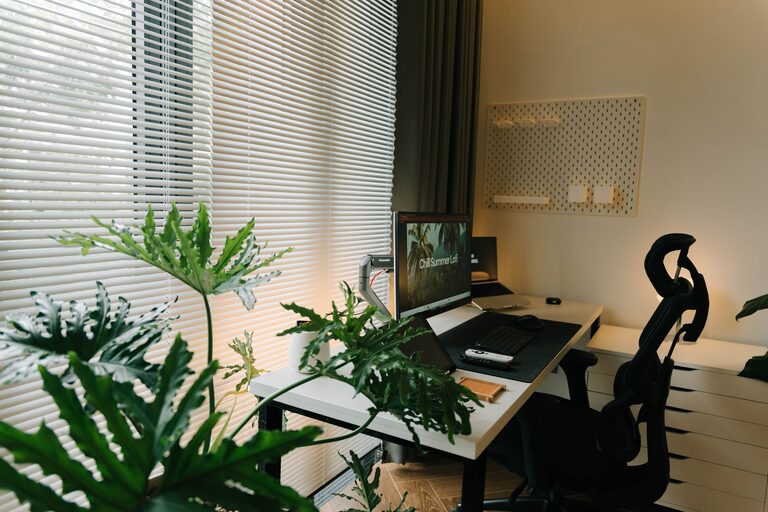
Tips for Creating a Productive Home Office Environment
Creating a productive home office environment is essential for anyone…
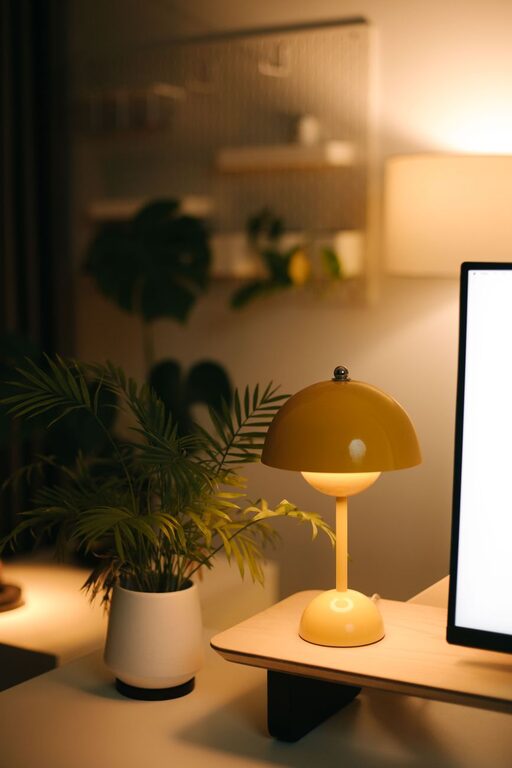
Tips for Creating a Cozy and Inviting Home Office Space
Creating a comfortable and inviting home office can make a…
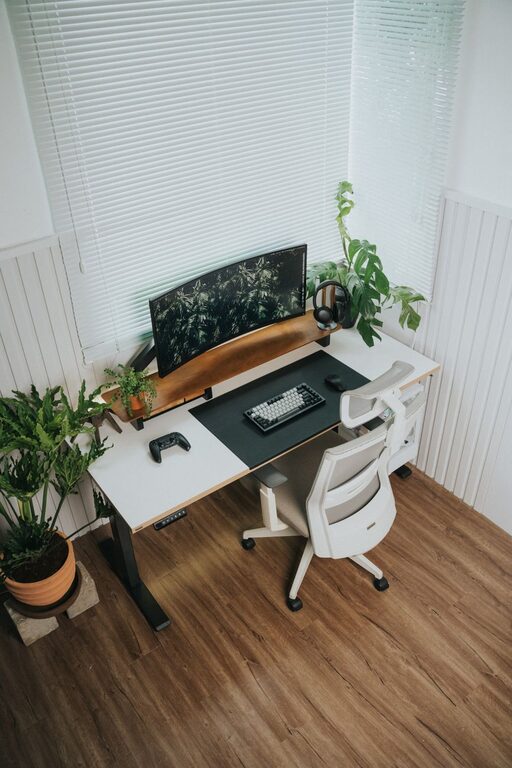
Tips for Creating a Productive Home Office Environment
Creating a productive home office environment is essential for anyone…